Kubernetes Cluster Architecture
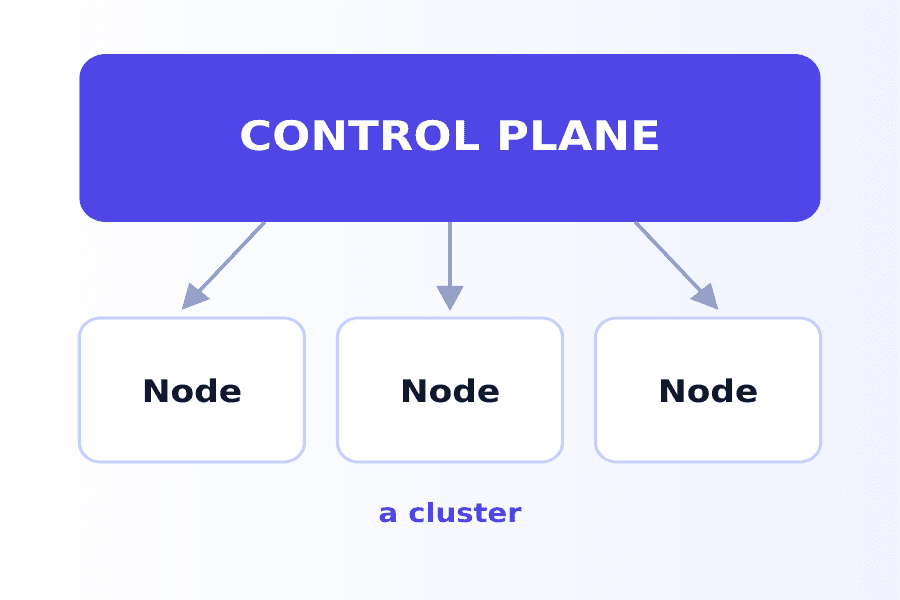
What actually makes up a Kubernetes cluster? The control plane decides what runs where, the nodes run it, and the addons fill in the rest.
Browse every article by subject.
What actually makes up a Kubernetes cluster? The control plane decides what runs where, the nodes run it, and the addons fill in the rest.
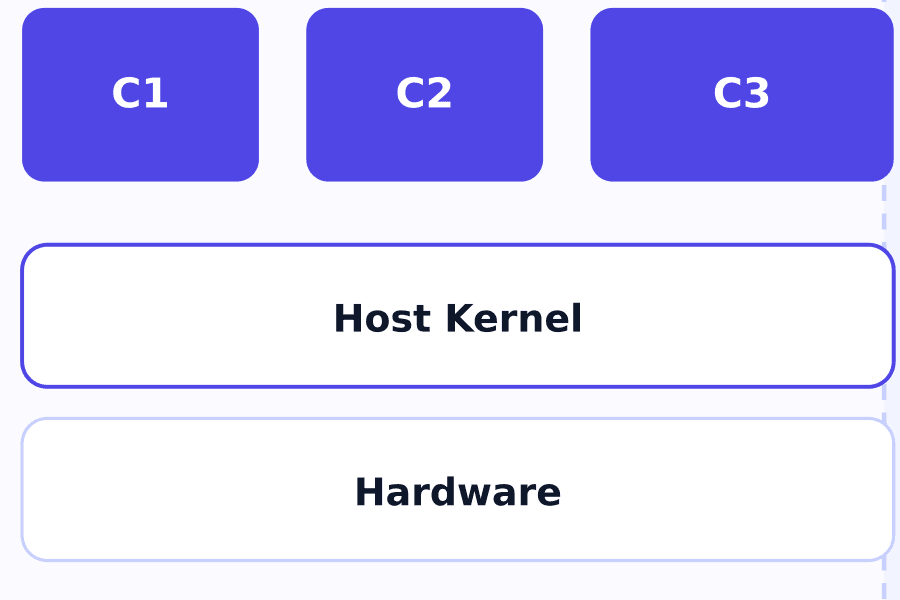
The container solves the Virtual Machine's weight and boot-time problem by dropping the private kernel every VM has to carry around.
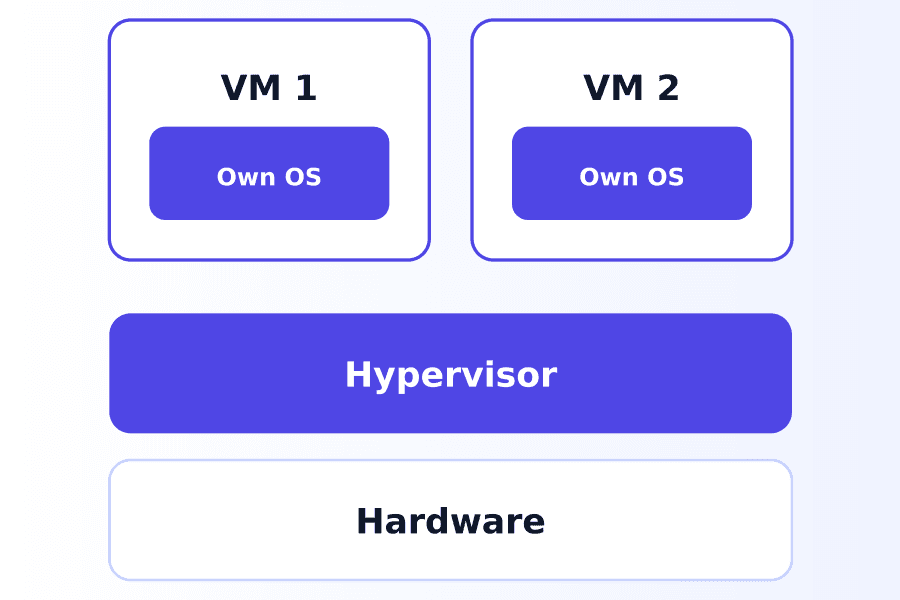
How does the Virtual Machine solve the physical server's "one machine, one environment" problem, and what does this approach cost you?
What does a physical server actually look like, and why can't we just keep deploying more onto the same one?
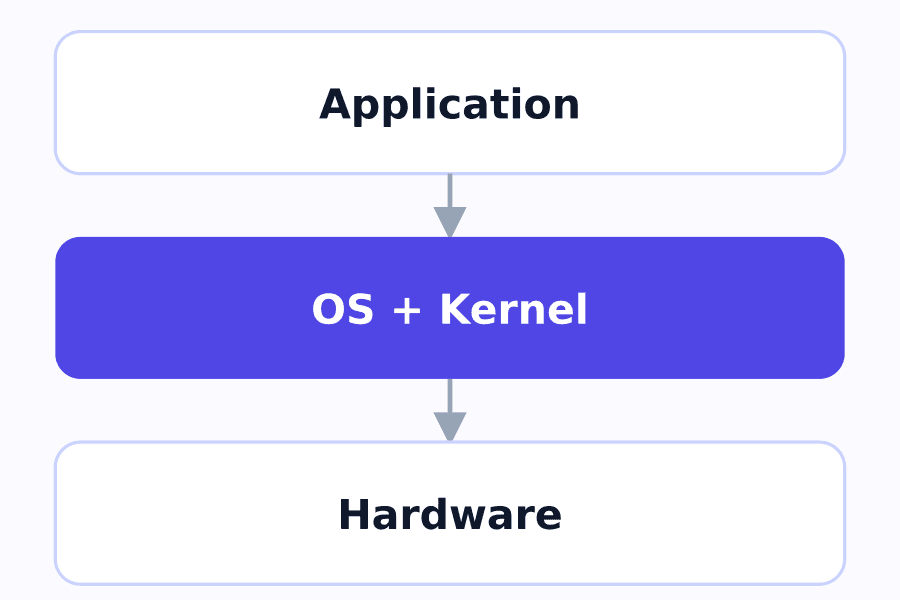
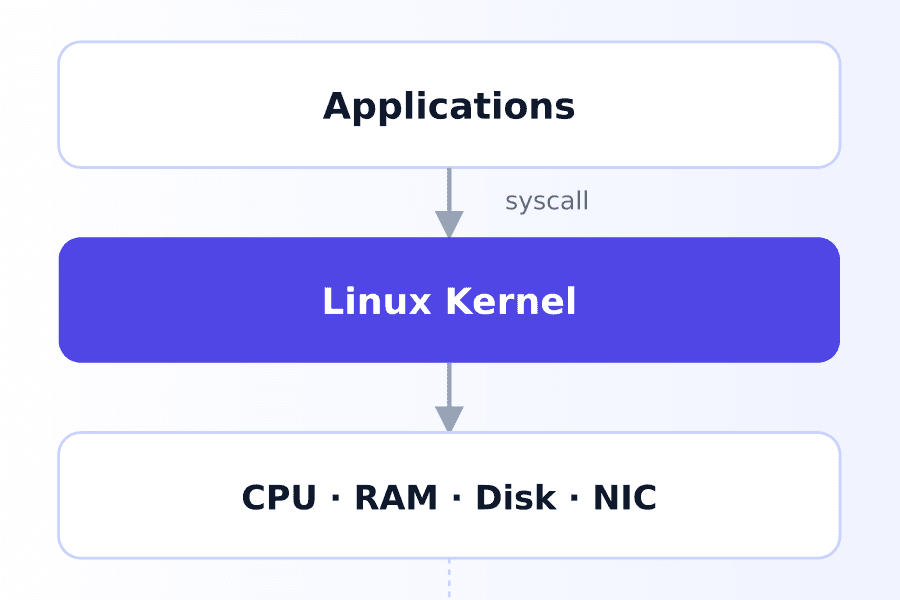
Before getting anywhere near Kubernetes itself, the story has to start with the foundation of everything in this series: the Linux kernel. If you've never really sat down and thought about what a kernel does, what a driver is, or what "sandbox" actually means in Linux, this article is for you.